Introduction
Dysphagia, or trouble ingesting, is a common condition that impacts individuals throughout various age, specifically the elderly and those with neurological conditions. The ramifications of dysphagia can be extreme, resulting in lack of nutrition, dehydration, and goal pneumonia, which significantly enhances morbidity and mortality rates. In treatment setups-- be it taking care of homes, assisted living centers, or home medical care-- proper dysphagia monitoring is extremely important. This post explores the extensive influence of dysphagia training for carers, focusing on just how such training creates much safer environments in care settings.
Understanding and carrying out efficient dysphagia treatment not just enhances individual security yet additionally enhances general lifestyle for citizens and individuals. In this extensive overview, we will delve into the value of dysphagia training for treatment staff, the types of dysphagia training courses available, and the benefits they provide to both caretakers and those they serve.
What is Dysphagia?
Dysphagia refers to troubles in ingesting that can arise from different reasons-- consisting of neurological conditions such as stroke or Parkinson's disease, muscular problems, and structural problems. The scientific indications can vary from light pain while eating to severe choking episodes that position serious risks.
Types of Dysphagia
- Oropharyngeal Dysphagia: This kind happens when there are concerns in the mouth or throat that impede swallowing. Esophageal Dysphagia: This type includes troubles in the esophagus itself.
Understanding these differences is crucial for caretakers as it informs their method to dysphagia management.
Symptoms of Dysphagia
Common signs and symptoms include:
- Difficulty launching a swallow Coughing or choking throughout meals Sensation of food getting embeded the throat Frequent heartburn or regurgitation
Awareness of these signs and symptoms encourages caretakers to act quickly and efficiently when they arise.
Why is Dysphagia Training Important for Care Staff?
The role of care team is crucial in handling dysphagic patients successfully. Appropriate training outfits them with abilities needed to determine signs early, implement secure feeding approaches, and respond promptly during emergencies.
Enhancing Client Safety
One substantial benefit of dysphagia training for nurses and carers is the enhancement of patient security. Geared up with understanding concerning safe swallowing methods and nutritional adjustments, personnel can decrease the threat of aspiration-- which happens when food or liquid enters the respiratory tract-- and its linked complications.
Improving Top quality of Life
Training promotes a much better understanding of individual nutritional needs among patients with dysphagia. When caregivers are educated about suitable food structures and consistencies, they can provide dishes that fulfill clients' dietary requirements while being secure to consume.
Legal Compliance
In several areas, treatment carriers must follow guidelines regarding dysphagia management. Engaging in detailed dysphagia care training makes certain that facilities fulfill these lawful commitments while protecting their reputation.

Components of Reliable Dysphagia Training Courses
A well-rounded dysphagia training course encompasses several crucial elements created to gear up caregivers efficiently:
1. Recognizing Anatomy and Physiology
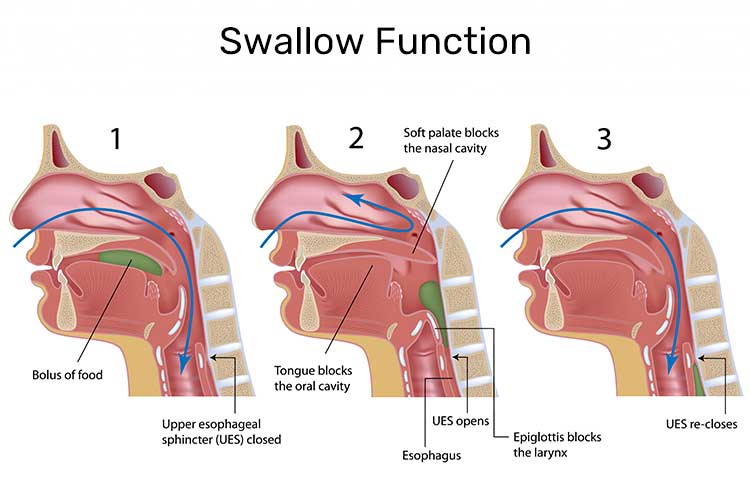
An important part of any type of dysphagia course includes education and learning on human anatomy related to swallowing. Knowledge about just how various muscular tissues interact throughout swallowing allows personnel to understand what might go wrong when somebody has actually dysphagia.
2. Acknowledging Signs and Symptoms
Training gives caregivers with detailed info on indicators indicative of dysphagic episodes. This skill enables them to find issues early before they escalate right into significant problems.
3. Safe Feeding Techniques
Courses ought to cover methods such as placing clients correctly throughout meals (e.g., resting upright) and utilizing adaptive tools if necessary.
4. Dietary Modifications
Understanding just how to modify food structures-- such as blending foods or thickening fluids-- is critical understanding for carers that prepare meals for people with varying levels of ingesting difficulty.
Types of Dysphagia Training Available
There are numerous formats through which people can receive dysphagia training:

Online Courses
With innovations in innovation, several establishments now provide on-line training courses focusing on different elements of dysphagia care. These courses normally include interactive components that allow participants to learn at their own pace.
In-Person Workshops
Hands-on workshops enable individuals to practice feeding methods under supervision from certified instructors. Such experiential knowing possibilities boost retention prices compared to typical class settings alone.
Certification Programs
For those seeking official recognition in this field, accreditation programs are readily available that culminate in evaluations verifying competency levels among trainees-- improving reputation within expert networks.
Creating Much safer Atmospheres: The Effect of Dysphagia Training in Treatment Settings
Creating safer settings necessitates a positive strategy towards ensuring all staff members have ample expertise pertaining to management approaches associated with dysphagic conditions.
By investing time right into detailed dysphagia training courses tailored especially toward healthcare practitioners' needs-- such as customized sessions targeted at registered nurses-- the entire caregiving community advantages greatly; not only do residents experience boosted security however likewise boosted emotional wellbeing coming from effective meal experiences lacking anxiousness surrounding possible choking incidents!
Benefits Past Safety: Psychological Aspects
While physical safety remains a primary emphasis within any kind of conversation bordering reliable caretaker education programs targeting individuals experiencing problems related especially towards swallowing issues-- it's likewise essential not neglect emotional impacts stemming from these situations too!
1) Lowering Anxiousness Levels
Families frequently fret about their loved ones suffering from ingesting troubles; understanding qualified specialists manage such situations decreases tension degrees substantially!
2) Enhancing Social Engagement
Sharing dishes ends up being more comfy when caretakers with confidence handle possible problems related to feeding procedures! This boosted confidence encourages social interactions amongst homeowners cultivating community bonds over common eating experiences!
FAQ Section
Q1: What is consisted of in a common dysphagia training course? A: A typical program consists of anatomy education, sign recognition techniques, risk-free feeding methods, nutritional modifications guidance, in addition to hands-on practice opportunities through simulations or role-playing scenarios.
Q2: That ought to undertake dysphagia training? A: All employees associated with direct client care-- consisting of registered nurses, nursing assistants, occupational therapists-- must undertake this specialized training due its vital significance in the direction of maintaining resident wellbeing!
Q3: Exactly how usually need to staff renew their dysphagia training? A: It's advised organizations set up correspondence course each year given that standards regarding best practices evolve routinely based upon recurring research findings!
Q4: Can member of the family take advantage of understanding dyspahgia monitoring techniques? A: Absolutely! Offering households educational resources equip them also play encouraging duties outside institutional settings boosting total quality-of-life experiences!
Q5: Is there a details age more influenced by dysplasia? A: While individuals across all age teams might experience some form(s) related specifically in the direction of swallowing difficulties-- the senior dysphagia awareness training for staff population tends face heightened risks primarily due underlying health and wellness problems affecting musculature involved therein!
Q6: Exactly how does one locate certified dypshgia trainer programs? A: Study respectable specialist companies specializing within allied wellness areas like speech-language pathology typically provide recommendations relating accredited recurring education and learning opportunities!
Conclusion
In summary, creating safer environments via effective dysphgia training in treatment setups can not be overstated! By focusing on education and learning tailored particularly towards dealing with obstacles encountered by those experiencing problems while eating food/drink-- we safeguard at risk populations versus preventable issues emerging therein!
Ultimately spending resources into thorough dsyhpgia support initiatives not only boosts individual security yet fosters holistic enhancements across every aspect linked caregiving duties thus enriching lives all around!
This write-up encapsulates a substantial expedition into how dysaphgia understanding amongst caretakers ensures quality within everyday functional structures inevitably resulting positive results throughout diverse medical care landscapes!